
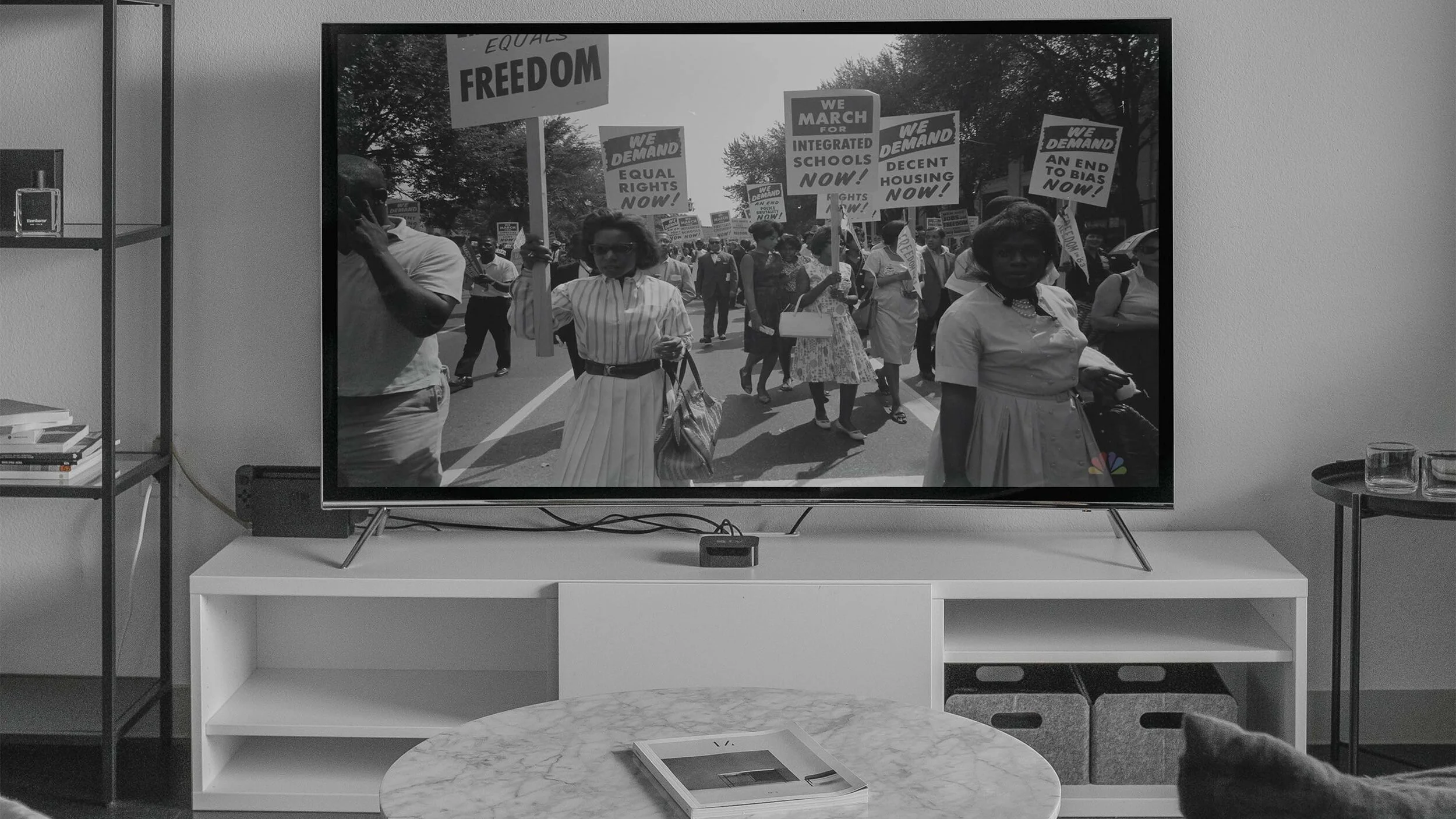
On March 23, 2020, in Comcast Corp. v. National Association of African-American Owned Media, the Supreme Court unanimously held that racial minorities have to allege facts suggesting “but for” causation in order to bring a claim under 42 U.S.C. § 1981 for race discrimination in contracting. This is a devastating blow to would-be civil rights litigants, particularly African Americans. Long marginalized by society due to systemic racism, many African Americans have slim to no protections under federal law and no way to enter essential sectors of public and private life, such as housing, education, healthcare, and even certain job opportunities.
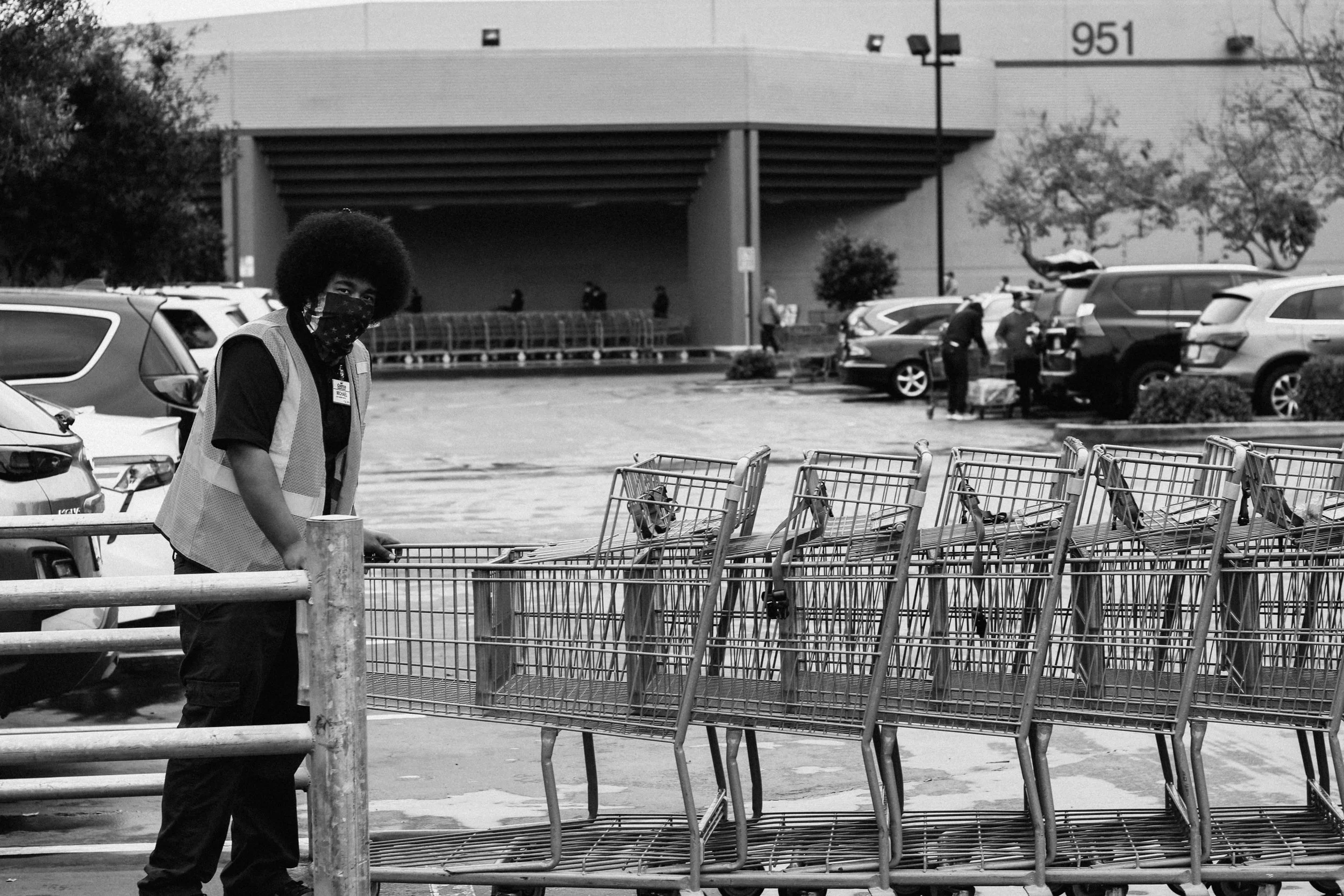
Democracy in the Time of Coronavirus
The global pandemic has completely altered life as we know it in the short-term. In the long-term, a hopeful result would be openness to new political economic possibilities. Policies like modern monetary theory, single-payer healthcare, and universal basic income, seemingly beyond the pale of mainstream recognition before the pandemic, may now be given a fair shake. I want to make the case that another political-economic shift ought to be considered in light of the pandemic—economic democracy.
Taking It to the Bank: The Need for Legal Cannabis Banking
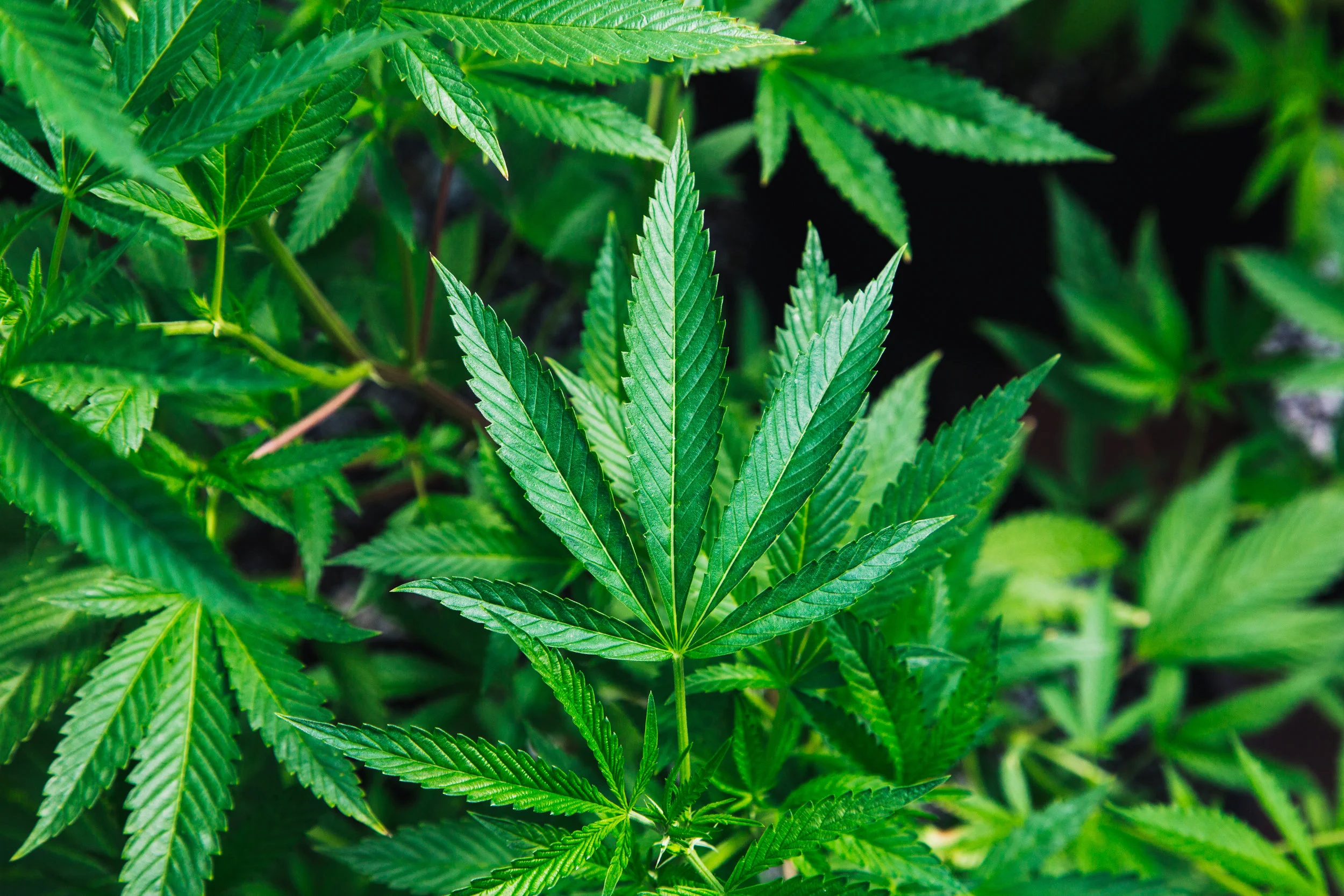
Legal cannabis (also referred to as “marijuana”) is one of the fastest growing industries in the United States. California became the first site of the United States modern legal cannabis market in 1996 when it legalized marijuana for medicinal purposes. Fast forward to 2020, more than half of the states have legalized marijuana for medicinal purposes, and eleven states and the District of Columbia have legalized recreational use of marijuana for adults. A recent Gallup survey conducted in October 2019 found that 66% of Americans currently support legalization of marijuana and that support crosses party lines and is unlikely to stall as cannabis becomes more normalized in American society.
2020: New Decade, New Financial Crisis?
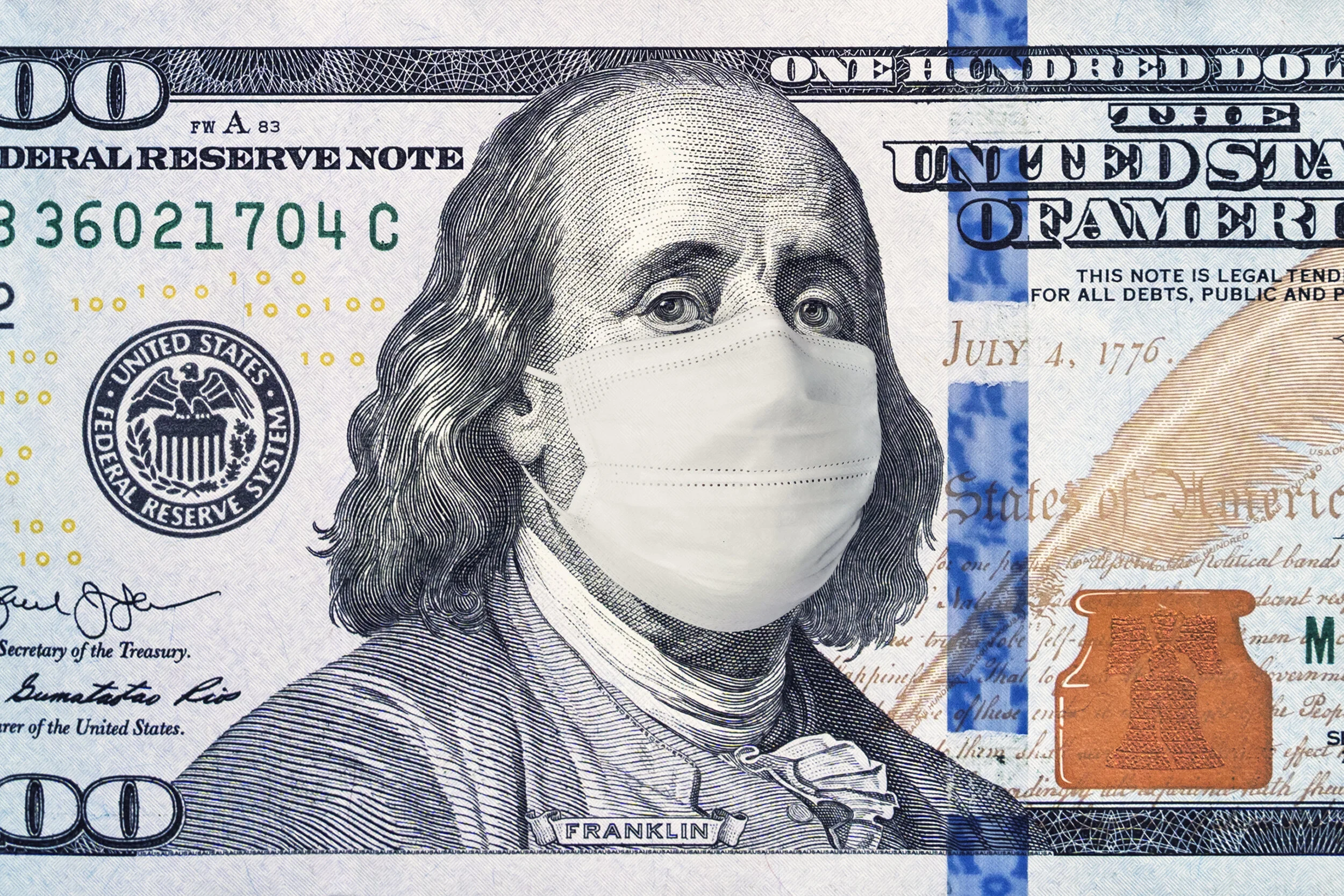
The start of a new decade sparked hope that something good was coming. 2020 started off seemingly normal for most people: celebrating New Year’s, making strides towards their resolutions, and going about their normal lives as they had done in 2019. That is until COVID-19, also known as the coronavirus, tilted the world on its axis. Even though the coronavirus approached the United States slowly, it hit hard. The effects have been felt in all aspects of people’s lives: the country went on lockdown, once-booming businesses permanently closed their doors, and the economy grinded to a halt; indeed, COVID-19 is the biggest economic crisis since the Great Recession nearly a decade ago.
Broken Sneakers and the Little-Known World of Loss of Value Insurance
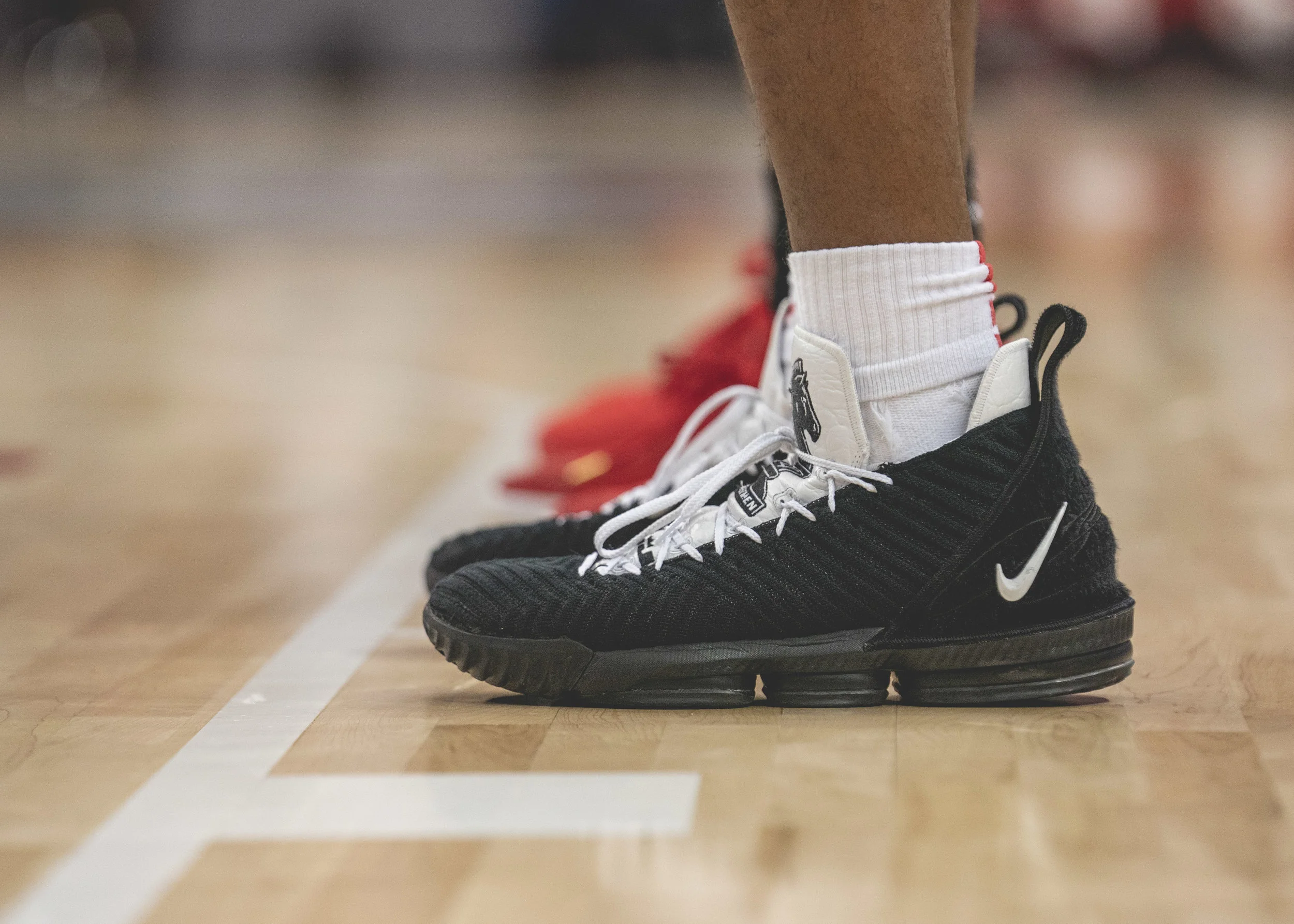
It was the sneaker blow-out heard around the world, or at least around the United States. On February 20, 2019, in front of a packed house at Cameron Indoor Stadium that even included former President Barack Obama, Duke basketball’s freshman phenom, Zion Williamson, went down. When Williamson stepped awkwardly, his foot tore through his Nike sneaker, bringing him to the hardwood with a sprained knee. The crowd, which only a few moments earlier was loud with excitement at what promised to be a riveting Duke vs. North Carolina basketball game, fell silent. The faces in the crowd expressed a combination of fear and concern: fear that Duke’s season could be over, but also concern that they may have witnessed the end of a promising career.