

The Future of Money: Regulating Cryptocurrency Through a Self-Regulatory Organization

The Future of Money: Regulating Cryptocurrency Through a Self-Regulatory Organization

We’ve all heard the saying, “Such a small world.” And, it’s true; it really is a small world. We have the technology to travel around the world and the ability to call or video chat with anyone, anywhere with the push of a button.

We also have the ability to send each other money with the push of a button, with apps such as Venmo, PayPal, and Cashapp; but, these apps often result in transaction fees and extra charges, and have limitations on international use.

Virtual currency, however, allows for the transfer of money without any of these limitations.

The Power of Safe Injection Sites

The Power of Safe Injection Sites

Can you imagine a facility where individuals can go to inject heroin safely with clean supplies and medical supervision being allowed to exist, legally speaking? If you said no, you’re in for a great surprise. Safe injection sites exist around the world as lawful facilities supervised by licensed health personnel where drug addicts inject drugs that they acquired elsewhere. They have been operating in Europe since the 1980s and there are today approximately 120 sites operating in twelve countries.

Addiction and Drug-induced Homicide: More Lives Lost, More Freedom Lost

Addiction and Drug-induced Homicide: More Lives Lost, More Freedom Lost

Addiction does not discriminate. In the United States, drug overdose deaths are at an all-time high and affect people of all races, socioeconomic status, and ages. From 1999 to 2014, the total number of overdose deaths nation-wide nearly tripled and this number only continues to rise. In 2015, the Center for Disease Control (“CDC”), reported that more than 52,000 people died of a drug overdose. In 2016, the national total reached 63,600 overdose deaths, and in 2017, the number increased to 72,000.

Ranked-Choice Voting as a Way to Slow Down Polarization

Ranked-Choice Voting as a Way to Slow Down Polarization

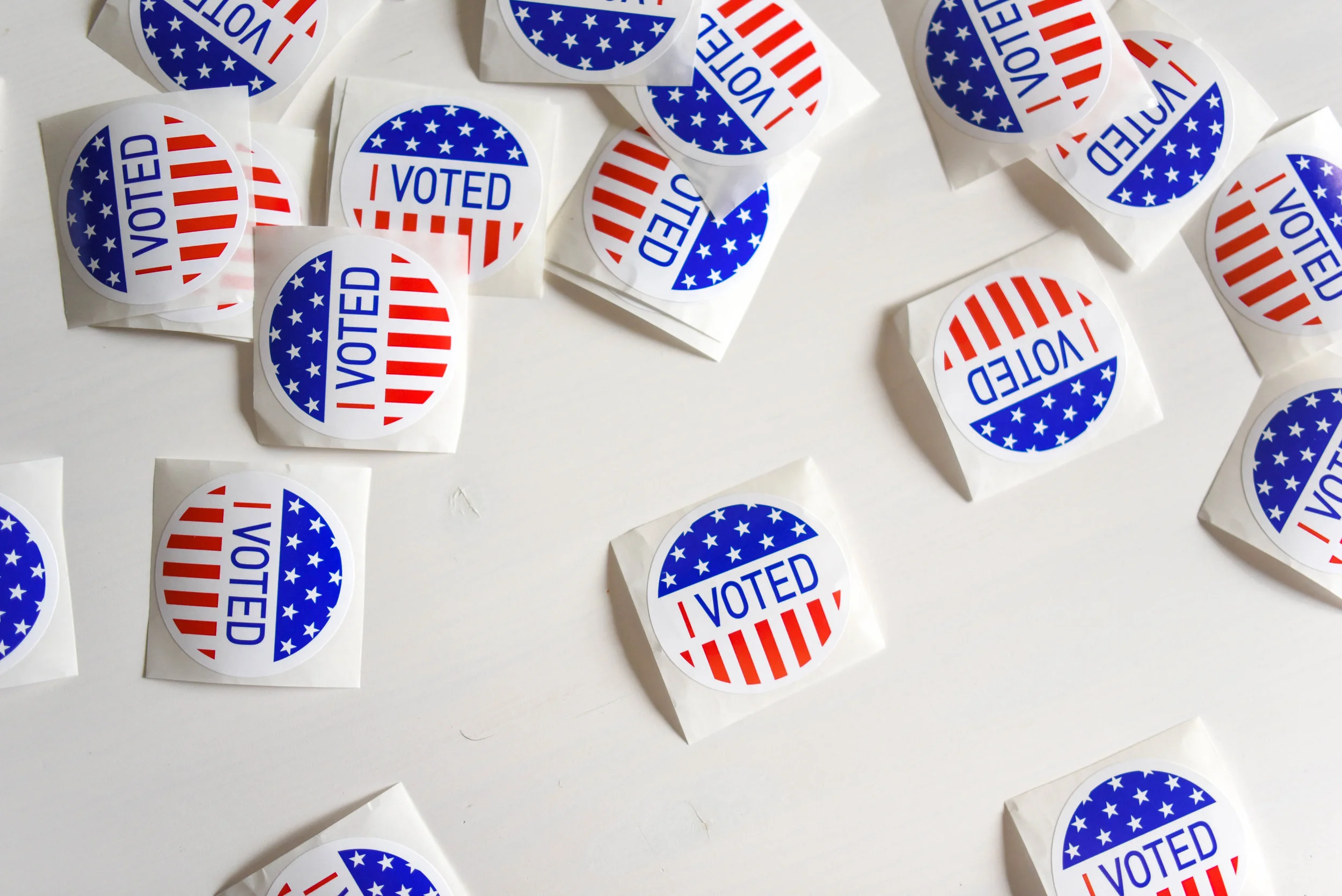
You and your friends are on a cross-country road trip. You’ve mapped out all the places you want to stop and visit along the way. The only thing you haven’t done is pick the road trip music. So, you put it to a vote. Alex votes for pop. Bailey and Cameron vote for country. Dakota votes for rock, while you vote for its more modern counterpart, alternative. With the most votes, country is the winner.

Can President Trump Force You to Receive Emergency Alerts on Your Cell Phone?

Can President Trump Force You to Receive Emergency Alerts on Your Cell Phone?

The First Amendment grants a speaker many rights, like the right to speak and the right not to speak. What most people don’t realize is that the First Amendment also grants a listener similar rights; it grants listeners both the right to listen, and the right not to listen. In October of 2018, the IPAWS emergency alert system ran its first nationwide test utilizing presidential alerts. What went largely overlooked about the new presidential alerts was the unchecked expansion of power and reach that the alert system grants the sitting president. The new nationwide emergency alert system violates a person’s right not to listen, and more specifically, their right against government compelled listening.