

Tom Petty and Michael Jackson have more in common than being internationally known recording artists; both of their lives tragically ended as a result of prescription drug overdoses. Petty was prescribed several prescription medications to deal with a hip injury, while Jackson was prescribed medication to combat insomnia. While Tom Petty’s doctor was neither charged nor investigated in connection with Petty’s death, it was a different story with Michael Jackson’s doctor, Dr. Conrad Murray. Dr. Murray was charged with and eventually convicted of involuntary manslaughter following Jackson’s death, and served two years in prison.

How to Better Protect Low-wage Workers from Sexual Harassment in the Workplace
The EEOC has found that about a quarter of sexual harassment complaints came from the service sector, which is dominated by low-wage, female workers. Many low-wage jobs are disproportionally held by women of color or immigrants. These women also often face intersectional disadvantages —burdens posed by race, national origin, gender identity, and other characteristics beyond gender alone — that may trigger biased treatment. Despite these findings, women’s movements like the #MeToo movement have failed to include the experiences of low wage workers, women of color, undocumented immigrants, and other segments of minority communities. Worse yet, many of these workers are not legally protected from sexual harassment.
The Right to Bear 3D-Printed Firearms
However, unknown to the travelers, there are two individuals not trying to catch a train, but rather trying to smuggle a 3D-printed firearm through security. They are two reporters from The Mail on Sunday, and in an effort to bring awareness to the dangers of 3D-printed firearms, they downloaded the Liberator blueprints online, bought a 3D-printer, printed the 16-part pistol, purchased a common nail you would find at a hardware store to act as the firing pin, and successfully smuggled the pistol parts onto a crowded Eurostar heading to Paris.
Giving Heroes Their Shields: Providing More Immunity to the Healthcare Industry During the COVID-19 Pandemic
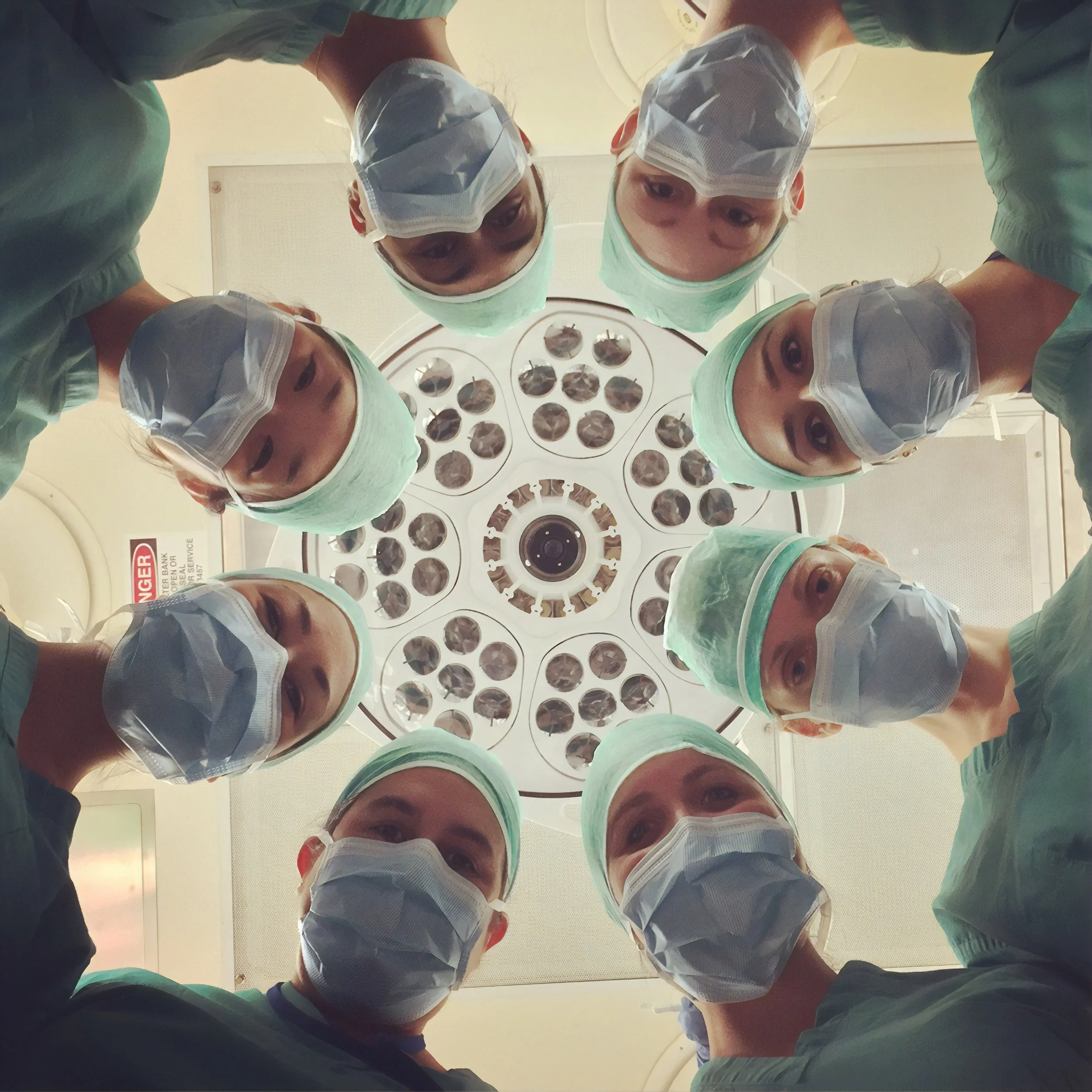
80,260,092 and 983,237. Respectively, these are the numbers of reported COVID-19 cases and deaths in the United States. The effects of COVID-19 impact people who contracted the disease, families who lost someone, and people at risk who have been in isolation for over one year. One group who has been heavily affected by the pandemic is healthcare professionals. Healthcare workers were thrown into the frontlines without proper equipment, including PPE, and, at one point during the height of the pandemic, they also did not have enough ICU beds and ventilators. Because healthcare workers lacked medical equipment, they were more likely to contract COVID-19, which reduced the “quality and quantity of care available.”